
Top Products
Portables
Fixed Systems
Industry
Specialty Products
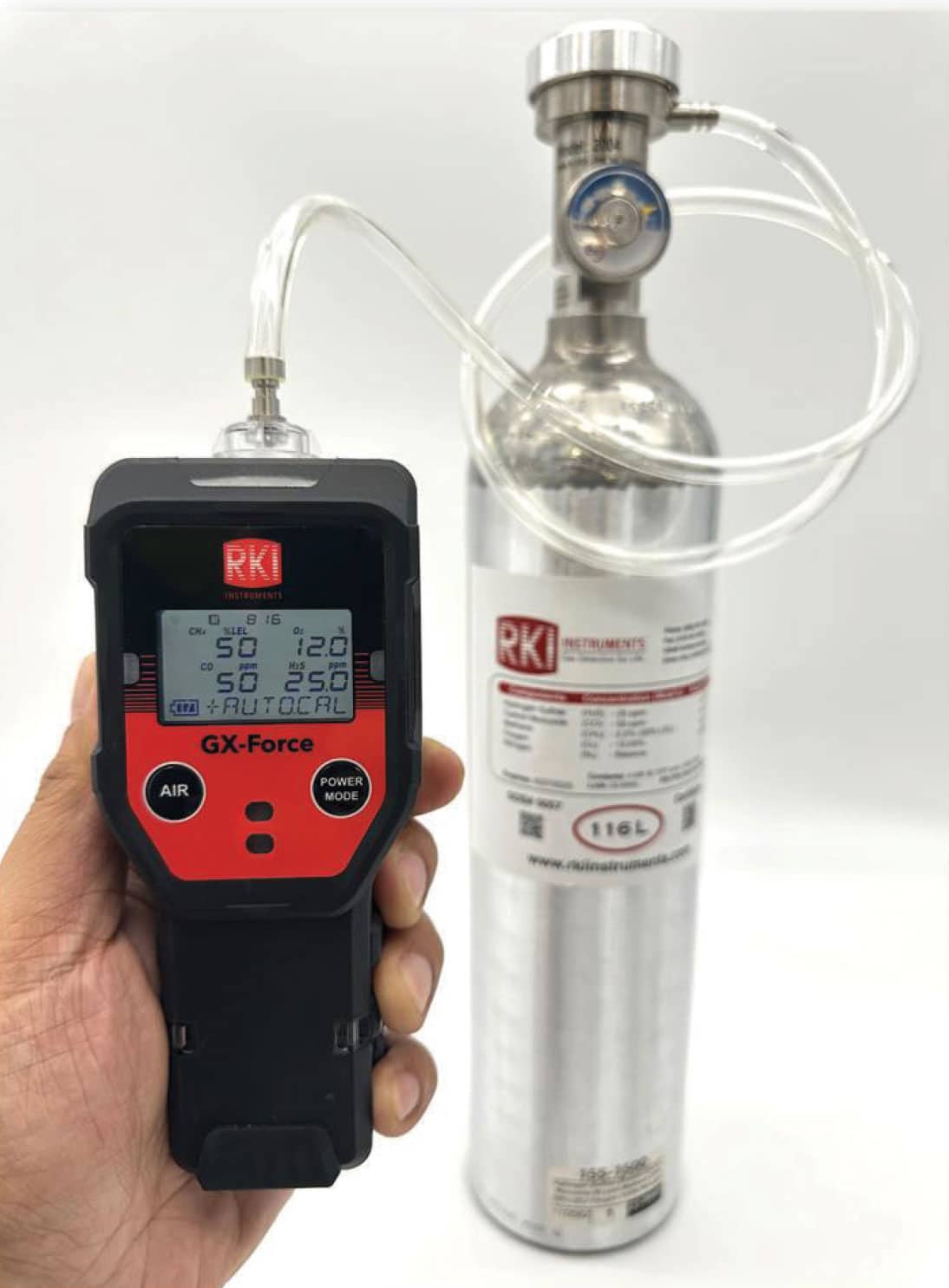
The calibration frequency for gas detection instruments really depends on the type of use a customer will give the instrument. For example, some users who require the readings to hold up in court as data for certain legal applications must calibrate both before and after each test or each series of tests, in order to remove all doubt of the proper functioning of the instrument.
 Calibration frequency is one of the most commonly asked questions regarding the use of gas detection instruments. Regulatory agencies typically refer users to follow manufacturers recommended protocols for calibration. The calibration frequency for gas detection instruments really depends on the type of use a customer will give the instrument. For example, some users who require the readings to hold up in court as data for certain legal applications must calibrate both before and after each test or each series of tests, in order to remove all doubt of the proper functioning of the instrument. The other extreme is someone who only uses the instrument a couple times a year for non-critical applications. This type of user should calibrate their instrument before each use.
What we generally recommend is that users develop a frequency of calibration that is tailored to their application and usage. Initially, the user may begin by calibrating once per week, and note any changes or adjustments needed to the calibration. If, week after week, there is very little or no adjustment needed, then the calibration frequency can decrease to the point that there will be only a small adjustment needed when calibrating.
In general, for most users, this frequency ends up being somewhere between one and three months. For users who do not wish to develop their own frequency, we recommend that they calibrate once a month. For users who “bump test” their instrument prior to each use, the calibration cycle can be extended to 3 to 6 months for instruments that successfully pass the bump gas test.
There is no universal standard for pass/fail tolerance on a bump test. The tolerance must be determined by the user based on frequency and usage. A typical tolerance could be +/- 20% or +/- 30%, or a simple triggering of the instrument’s alarm.
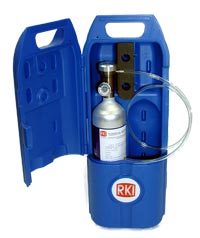 All of our newer instruments have auto-calibration. This feature makes calibration quick and painless. Using the 4 gas cylinder, a 4 gas portable monitor can calibrate all 4 channels together in just a minute or two. With this simplification of the calibration task, we encourage users to calibrate their instruments more frequently than they may have done in the past.
Calibration frequency of fixed systems depends upon the type of use you have and the sensor types. Typical calibration frequencies for most applications are between 3 and 6 months, but can be required more often or less often based on your usage.
A precaution to note.
It is generally recommended that a bump test or calibration be performed if it is suspected that the instrument has been subjected to any condition that could have an adverse effect on the unit (sensor poisons, high gas concentrations, extreme temperature, mechanical shock or stress, etc).
Download a PDF of this FAQ